Goods are required to flow smoothly from vendor to end customers through its distribution network comprising of warehouses, distributors till the retail point.
Agile and uninterrupted flow is important to meet the end customers’ needs. The physical goods flow design should ensure optimum touch points to eliminate unnecessary handling, storage to avoid additional costs or inventory obsolescence.
Agile flow improves the cash flow.
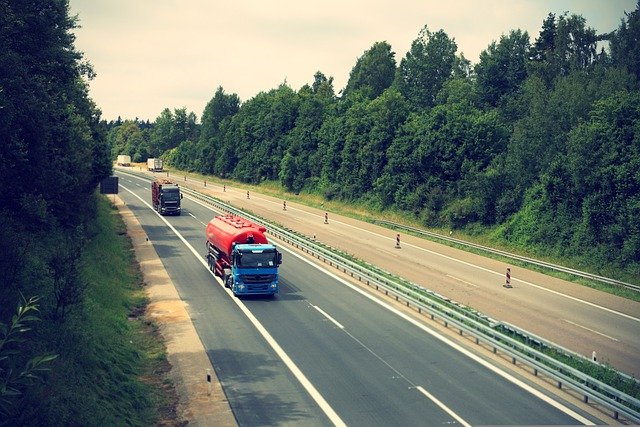
I had the opportunity to lead procurement and distribution of a well-known brand involving 100+ vendors over 22 warehouses and 120+ retail outlets across the country. The items were sourced mainly from two hubs.
The finished goods were shipped to the state warehouse and from there it would move to distributor, retail outlet and bulk customers. This system was well established over last many years with one transporter managing the primary logistics.
Competition was growing and the cost pressures were building on, the margins were under squeeze.
It was time to question our current way of working as well as to find opportunities for cost optimization.
The primary logistics cost was fixed per box basis which was easy to account for. It was a direct cost and easy to comprehend. A single transporter to manage all goods flow from 100 plus vendors and movement to 22 warehouses was a well thought strategy.
Low coordination cost, complete control on distribution network were some of the advantages of single vendor. The transporter would submit monthly bills at central office and would be paid after 30 days. The system was running well, but there was need to find opportunities to optimize costs.
During a cost optimization exercise, we identified few opportunities to work on e.g.
1. Primary logistics cost reduction
2. Transit Time (Vendor to Warehouse) optimization
3. Reduce in- transit damages
We invited the partner for a discussion and appraised him our concerns. The response from the other side was different i.e. diesel price increase is pending and rates need to be revised upward. His margins don’t justify any reductions.
However, we both agreed to work on and to find solutions. We agreed to look into each and every cost, process, method to reduce wastage and also their concern on pending diesel increase.
Over the next 6 months, we carried out many initiatives e.g. wooden to carton packaging, strengthening of cartons (Products with more damages). Wooden to carton change improved the space requirements. Now each truck was able to carry more cartons and thereby reducing the logistics cost per box. It also reduced in transit damages. Cartons were easy to handle. We agreed to benchmark truck cost with competition and aligned the cost to current market forces thereby satisfying transporter demand for diesel increase.
Finally we improved the truck carrying capacity by 8-9%. Also post alignment of truck rates with market forces, the rates were increased by 2-3% on some routes. Both these corrections still had a positive impact on transportation costs, which reduced by 6% per box. Wooden to carton packaging led to easy handling by labor. This also improved in transit breakage.
Transit delays was another concern. Goods were delayed to north eastern as well as far south destination. Since the flow of goods was not full truck load (FTL), we began a study to understand the goods flow. FTL, which was 10-20% of biz, would move from vendor to warehouse without any need for transshipment. It was the part load, which was left either at pick up point or transshipment point and led to delays. This situation was purely because of our bad procurement and supply planning. The transporter was not clubbing goods with other customer’s cargo as same was risky due to the damages unless it was similar nature cargo. He was simply following our guidelines.
Now we devised a synchronized procurement and supply planning so that a truck for one state was completed at transshipment center. Further we created transshipment center stock visibility to monitor the truck movement as well as to complete the truck load.
It is always necessary to look into our own processes before blaming the partner. With trust in each other, we did reduce the logistics costs and satisfied the partner for diesel increase demand.
The collaboration with 3PL reduced the in-transit damages thereby reducing claims on transporter.
This exercise was a win win for both of us ( the supplier and the customer) and a case of creating value first and them claiming.
Co-creation with partner. First creating value and then claiming the Pie in Fair manner.